Double materiality describes a central principle of sustainability reporting: organisations and companies must report both how sustainability issues affect their own company financially (outside-in perspective) and what impact the company has on the environment and society (inside-out perspective), thus ensuring that both risks and opportunities for the company and its responsibility towards the environment and society are transparent.Read More
Many small and medium-sized enterprises (SMEs) that originally prepared for sustainability reporting in accordance with the ESRS or a voluntary DNK report are currently facing a turning point: the new Voluntary Sustainability Reporting Standard for SMEs (VSME) is a voluntary standard that provides for a significantly simplified procedure. A formal materiality analysis is no longer...Read More
The dual materiality analysis is a central component of the CSRD reporting obligations and a challenge for many companies. In our consulting projects, we repeatedly encounter similar questions: How do we delineate the value chains in a meaningful way? How do we identify material impacts, risks and opportunities? Which stakeholders should we involve? To provide clarity, we have summarised the most frequently asked questions along the...Read More
Together with the municipal utility network ASEW (Arbeitsgemeinschaft für sparsame Energie- und Wasserverwendung), we supported over 60 municipal utilities in carrying out a double materiality analysis. Based on the individual double materiality analyses of the participating municipal utilities, combined industry results were compiled and more than 25 value chains in 9 clusters were analysed.Read More
Before reporting comes the double materiality analysis - Around 13,500 German companies are expected to have supplemented their traditional financial reporting with a sustainability report (non-financial reporting) by 2027. Comprehensive information on the topic of sustainability will thus become part of the management report subject to mandatory auditing. The reason for this is the Corporate Sustainability Reporting Directive (CSRD), as part of the "European Green Deal", which...Read More
We want to provide a practical insight into the development of a materiality analysis and the preparation of a DNK report. To do this, we asked our customers, All for One Group SE and Unite Network SE, what experiences they have had in the process and what they would like to pass on to others. Among other things, it's about the benefits of a materiality analysis, surprises in...Read More
The materiality analysis is one of the basic instruments of sustainability reporting and offers an ideal starting point for a stakeholder dialogue. This is because it provides answers to the three important questions when determining material sustainability aspects (based on the definition of the German Sustainability Code): Stakeholder perspective: Which sustainability aspects are of particular relevance to the company's stakeholders? "Perspective from the company: Which company activities...Read More
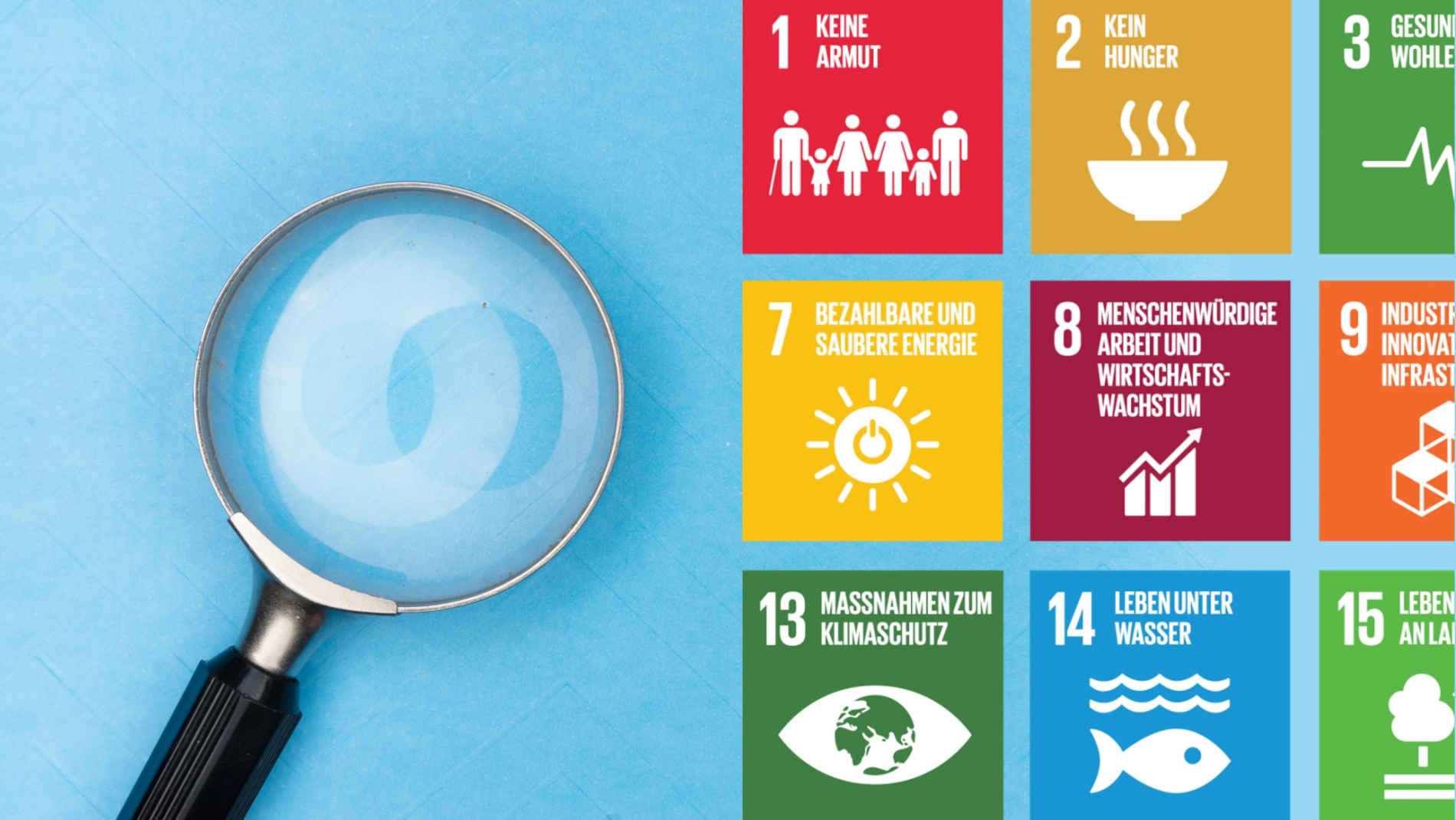
For companies, materiality describes their impact on society and the environment - and vice versa. Once you have recognised your materiality, you can develop a strategy and measures based on this in order to act sustainably. In this article, we therefore provide an example of how you can work with the United Nations Sustainable Development Goals (SDGs) in order to...Read More
In sustainability management, materiality describes the principle that a company should focus on issues that are of particular importance to the environment, society and the company itself.Read More